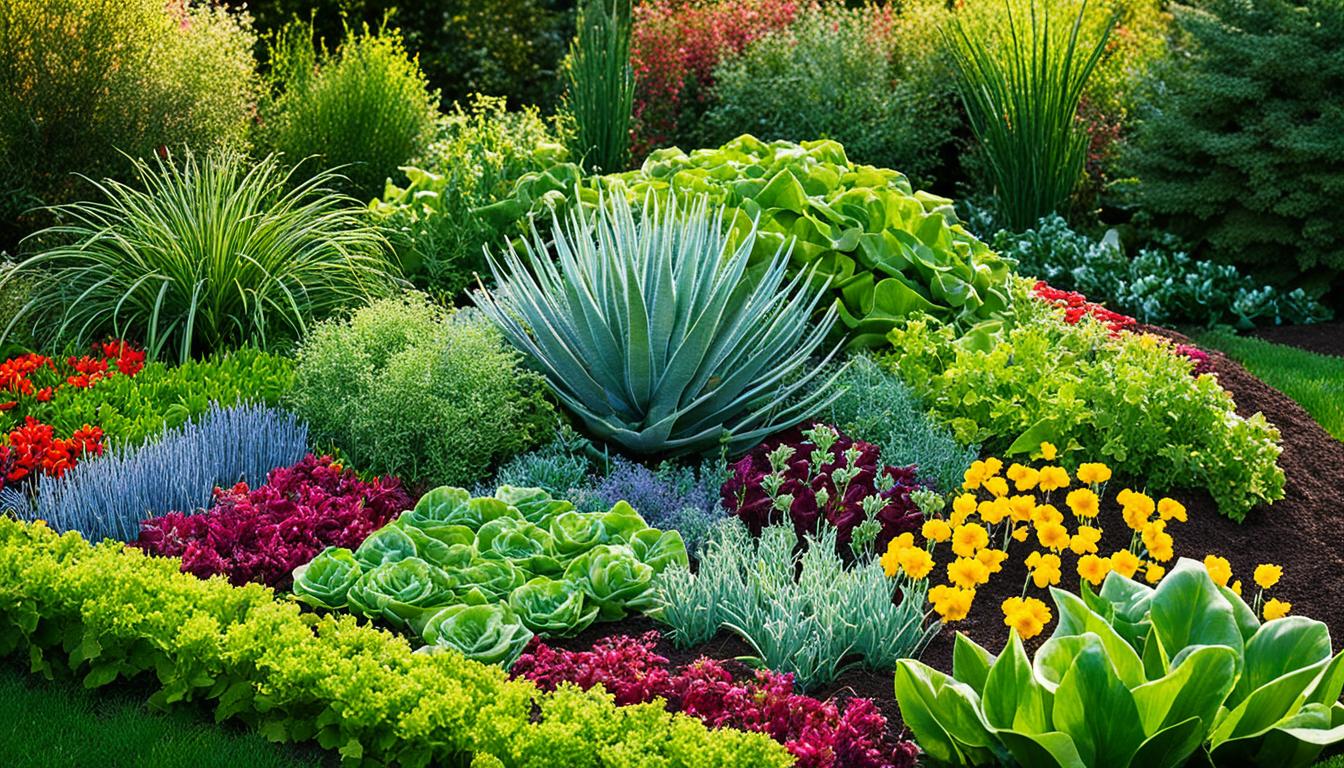
In today’s world, caring for our planet is key. We can make our gardens into eco-friendly spaces. These spaces not only make us happy but also help our planet. By gardening in a nature-friendly way, we can live in harmony with nature.
Anyone can start sustainable gardening. It’s great for both experts and beginners. By choosing organic gardening and being environmentally conscious, you help the planet. You also get a place for wildlife, healthy soil, and fresh veggies right in your yard.
Embracing Nature’s Rhythms
Sustainable gardening means working with nature’s cycles. By knowing the seasonal patterns and local conditions, we can make gardens that fit well with the environment. This part talks about the good things about following nature’s rhythms and how to make our gardens right for our climate and area.
Understanding Seasonal Cycles
Every season has its own challenges and chances for gardeners. Spring brings colorful flowers, summer offers plenty of harvests, and winter means rest for the garden. By following these natural cycles, we can help plants grow better, waste less, and keep our gardens healthy.
Adapting to Local Conditions
Every garden is different because of its unique climate, soil, and local conditions. To garden sustainably, we need to know what affects plant growth in our area. Whether it’s the cold in the Northeast or the dryness in the Southwest, we must adjust our gardening to fit our place. Choosing native plants that fit our climate helps us use less water and fertilizers. It also helps the local ecosystem.
Nurturing Soil Health
Healthy soil is key to a thriving garden. By taking care of the soil, gardeners help plants grow strong and full of nutrients. Composting is a great way to do this.
Composting for Nutrient-Rich Soil
Composting turns food scraps and yard waste into a nutrient-rich soil booster. When used in the garden, it makes the soil better at holding water and gives plants the nutrients they need. This means plants grow strong and healthy without needing chemical fertilizers.
Adding compost to the soil unlocks the earth’s natural power. In the compost bin, organic materials break down and release nutrients that plants can use. This boosts plant health and builds strong soil health. It makes a lasting foundation for a healthy organic soil ecosystem.
Composting also cuts down on household waste by using organic materials instead of throwing them away. This simple act can greatly help the environment. It makes gardening more sustainable by reducing the need for synthetic nutrient-rich soil products.

Minimizing Water Waste
Creating a lush garden while saving water is key. Water-wise gardening saves this precious resource and supports our landscapes’ future. By reducing water waste, gardeners can enjoy their outdoor spaces and protect the environment.
Choosing drought-tolerant plants is a basic step in water-wise gardening. These plants survive in dry conditions and need less water than regular plants. Adding these plants to your garden cuts down on water use and keeps the area beautiful and easy to care for.
Improving how we water is also vital. Gardeners can look into systems that water plants exactly where they need it, cutting down on wasted water. Using smart controllers and setting up efficient watering times helps save even more water.
Water-wise gardening lets gardeners use water wisely and enjoy their outdoor areas. By picking drought-tolerant plants and improving watering systems, gardeners can make a big difference. These steps are both useful and fulfilling.
Promoting Biodiversity
Creating a sustainable garden aims to boost biodiversity. Biodiversity means having many different kinds of plants and animals. It’s key for a healthy ecosystem. By using biodiversity-friendly methods in our gardens, we help many creatures, like pollinators and predators.
Creating Habitats for Beneficial Insects
It’s important to draw beneficial insects like bees, butterflies, and ladybugs to our gardens. These insects help pollinate plants and keep pests away naturally. By making our gardens welcoming for them, we encourage these helpful insects to stay.
Choosing Native Plants
Using native plants is a great way to boost biodiversity. These plants fit well with the local climate and soil. They feed and shelter many native insects, birds, and wildlife, helping the local ecosystem. By picking native plants, we help the local species and support a diverse environment.
By following biodiversity-friendly gardening, we make our landscapes vibrant and strong. We do this by choosing native plants and making homes for helpful insects. This helps the delicate balance of life in our communities.
Nature Tips: Organic Pest Management
For a healthy, eco-friendly garden, organic pest management is key. Instead of using harsh chemicals, gardeners can use nature’s defenses to fight pests. These organic methods help keep the garden balanced and support a sustainable ecosystem.
Understanding the life in your garden is vital for natural pest control. Encourage beneficial insects like ladybugs and lacewings to eat pests. By making your garden a home for these allies, you help keep pests under control naturally.
Companion planting is another great way to keep pests away. Some plants, like marigolds, keep pests off while drawing in helpful insects. By choosing plants wisely, you can create a balanced garden that doesn’t attract pests.
The secret to organic pest control is a thriving garden ecosystem. By following nature’s cycles, improving soil health, and supporting many plants, you make your garden tough for pests. This approach helps your garden thrive and supports all life in it.
Reducing Dependence on Chemicals
Many gardeners have used synthetic chemicals to keep pests away, make plants grow better, and look nice. But, more gardeners are now choosing chemical-free gardening and natural ways to garden. This switch helps our gardens and the planet.
Using Natural Alternatives
Organic gardening has many natural solutions to replace synthetic chemicals. Techniques like composting and natural pest control help gardens grow well without harsh chemicals. These methods let gardeners enjoy their gardens and protect the environment.

Chemical-free gardening keeps soil healthy. Synthetic stuff can harm the soil’s balance, hurting it for a long time. But, natural stuff like compost and organic mulch feed the soil. They help good bugs and make plants grow strong and diverse.
Also, there are natural ways to fight pests without chemicals. Things like planting certain plants together and using helpful bugs can keep pests away.
Choosing natural gardening and using fewer chemicals makes gardening better for our health and the planet. It makes our gardens and the environment healthier, helping us all.
Building a Sustainable Garden Community
Growing a garden is more than just about plants and harvests. It’s about building a community and sharing goals. Gardeners can make a difference by using sustainable gardening methods. These methods help our soil, plants, and neighbors.
At the core of a sustainable garden community is sharing gardening tips and resources. By working together, we can share knowledge and help each other grow. We can swap seeds, learn about composting, or plan community work days. These actions make us all better gardeners.
Sharing what we know about sustainable gardening is key to a strong community. By teaching others, we encourage them to use eco-friendly gardening. We can show the value of native plants and how to save water in gardens. Every lesson we give can change the way people garden.
As we tend to our gardens, we build a sense of belonging and duty. Working together, we make connections that go beyond the garden. Our gardening community becomes a place for learning, support, and celebration. It shows how sustainable gardening can unite people.
Harvesting Homegrown Bounty
Gardening is more than just a hobby. It’s a way to connect with nature and enjoy fresh, wholesome flavors. When you care for your own organic garden, the rewards are huge. Harvesting your fruits and vegetables is special, letting you enjoy the nutritional benefits of fresh food from your backyard.
Enjoying Fresh, Nutritious Produce
Sustainable gardening lets you enjoy lots of fresh, nutrient-rich produce. Homegrown fruits and vegetables are full of natural goodness. They don’t have the preservatives found in store-bought items. Whether it’s juicy tomatoes, crisp greens, or vibrant berries, the taste is unbeatable.
This fresh produce not only tastes great but is also packed with vitamins, minerals, and antioxidants. It lets you eat more of these important nutrients. Growing your own food gives you a sense of pride. Watching your plants grow from seeds to harvest connects you to nature and the life cycle.
When you eat your homegrown produce, you remember the effort you put into your garden. It’s a reminder of your dedication to sustainable gardening.
The Future of Gardening: A Greener Path
Looking ahead, sustainable gardening is becoming more popular. People are now focusing on eco-friendly gardening to protect our planet. These trends aim to save our natural resources and make the world greener.
By using native plants and saving water, gardening is becoming more in tune with nature. Homeowners and garden lovers are choosing methods that help the soil, support many kinds of life, and cut down on harmful chemicals.
It’s important for everyone to think about the planet. By gardening in a way that’s good for the earth, we help protect our planet. We aim to make gardens that are beautiful, strong, and protect the ecosystems we need.