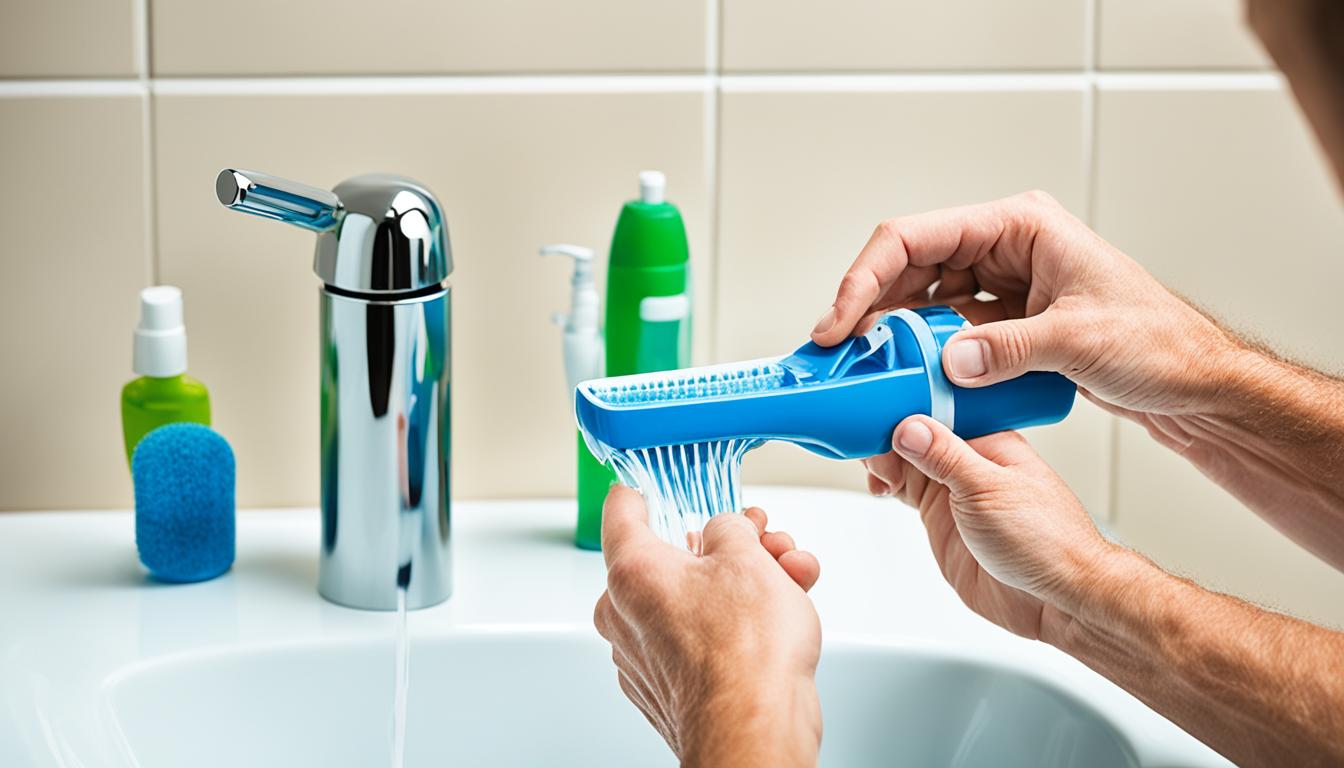
Water scarcity is a big challenge for our world. Water conservation is key to protecting our planet’s vital resource. It ensures a sustainable future for all of us.
The water crisis affects us all around the globe. It leads to less freshwater, harms ecosystems, and threatens biodiversity. We must act now to save our water. By living sustainably and protecting the environment, we can help.
This article shares ways to conserve water. It offers tips for people, companies, and leaders to help. Let’s work together to solve the water crisis. We can make sure water is plentiful, easy to get, and used wisely.
Understanding the Global Water Crisis
The world is facing a growing global water crisis. This crisis demands our immediate attention. Freshwater scarcity is becoming more common, affecting our ecosystems and biodiversity. We must tackle this crisis now, not later.
Depleting Freshwater Resources
Population growth, urbanization, and bad farming practices are depleting our freshwater. These actions are quickly using up and polluting our limited water. Climate change makes things worse by causing droughts and disrupting the water cycle.
Impact on Ecosystems and Biodiversity
Less freshwater hurts the environment a lot. Aquatic ecosystems like rivers and lakes are struggling. This leads to losing species and breaking food chains. Marine life, which needs both fresh and saltwater, is also in danger.
We need to fix the global water crisis together. Governments, industries, and people must work together. By understanding the problem and acting fast, we can make a better future for our water. This will help protect our ecosystems and the species that live in them.
Water Conservation at Home
Two main strategies help save water at home: using low-flow fixtures and water-efficient appliances. These steps are easy yet powerful. They greatly cut down on water use, making our homes more sustainable.
Low-Flow Fixtures
Low-flow fixtures, like faucets, showerheads, and toilets, use less water but work just as well. Swapping out old fixtures for these can save a lot of water. They limit how much water flows, making every drop count for a greener home.
Water-Efficient Appliances
Using water-efficient appliances is also key to saving water. Things like washing machines, dishwashers, and water heaters now use less water without losing performance. Buying these appliances helps cut down on water use. It’s good for the planet and can save money over time.
By taking these steps at home, we can all help reduce water waste. Using low-flow fixtures and efficient appliances means saving water and living more sustainably. It’s a win-win for our planet and our wallets.
Landscaping for Water Efficiency
The global water crisis is getting worse, making water-efficient landscaping key to saving our water. At the center is xeriscaping, designing landscapes that use little water. By using native plants, people can make beautiful, easy-to-care-for outdoor areas. These areas support drought-tolerant gardening and sustainable landscaping.
Xeriscaping and Native Plants
Xeriscaping is a way to landscape that uses plants suited to the local climate and soil. Using native plants makes gardens look great with less water. These plants are tough and don’t need much water, food, or care.
Xeriscaping and native plants do more than save water. They help local biodiversity by giving homes to pollinators and wildlife. Choosing sustainable landscaping helps the local ecosystem stay healthy.

Starting a new landscape or changing an old one? Adding water-efficient landscaping is a smart, green choice. By picking native plants and following xeriscaping rules, you can have a beautiful, easy-care yard. This shows your support for drought-tolerant gardening and sustainable landscaping.
Nature Tips: Embracing Water-Wise Practices
Living a sustainable life means using nature’s wisdom to save water and protect our planet. By adopting water-wise habits, we lessen our environmental footprint and connect more with nature. This approach helps us live in harmony with the earth.
Creating a rain garden is a great way to start. These gardens catch and filter rainwater, letting it soak into the ground. This action recharges groundwater and lessens the load on our water systems. Choose native plants that love wet conditions for your rain garden.
Consider xeriscaping for your outdoor space. This method uses plants that need less water and are native to your area. It cuts down on watering needs and saves time. Xeriscaping also draws in pollinators and other wildlife, making your garden lively and diverse.
Being mindful of our water use is key to a water-wise lifestyle. Simple actions like shorter showers, fixing leaks fast, and using rainwater for plants help a lot. By following these nature tips, we help the planet and enjoy a greener, water-smart home.
Industrial and Agricultural Water Conservation
The global population is growing fast, making our need for water skyrocket. The industrial and agricultural sectors use a lot of water, which is a big part of our water use. Luckily, there are new ways and methods to save water in these important areas.
Efficient Irrigation Techniques
Efficient irrigation is key in saving water in industries and farms. Drip irrigation sends water right to plant roots, cutting down on evaporation and waste. New tech like soil moisture sensors and smart controllers help use water better by meeting crop needs.
In farming, using water wisely and choosing crops that need less water can save a lot of water. These methods help farms use water better and support their long-term success.
Companies in the industrial sector are finding ways to save water too. They’re looking into recycling water, making processes more efficient, and using less water technologies. These steps help reduce their water use and support the health of our water resources.
With water becoming scarcer worldwide, saving water in industries and farms is vital. By using smart irrigation and other new solutions, we can all help make a better future for our water.
The Role of Government and Policies
Fixing the water crisis needs work from everyone: individuals, communities, and governments. Governments are key in making water conservation policies and environmental legislation. They help with water management regulations and push for sustainable development.
Nationwide, governments can make government policies that encourage saving water. They can also make laws for using water-saving tech and controlling water pollution. These policies might offer rebates for saving water at home or fine those who use too much water.

Also, governments can fund projects to improve how we store, send, and clean water. This means creating new water management regulations and using new tech like recycling and desalination. This helps make more clean water available for everyone.
Locally, cities can help by starting programs to save water and educating the public. They can work with people and businesses to make saving water a common habit. This way, cities can lead in saving water and teach others to do the same.
Success in saving water comes from working together. By matching government policies, water management regulations, and sustainable development plans, we can make a better future for water. This is good for all future generations.
Water Recycling and Reuse
Water recycling and reuse are key to solving the water scarcity problem. By using new water recycling tech, we can lessen our need for fresh water. This includes using greywater systems.
Greywater Systems
Greywater systems collect and treat water from sinks, showers, and washing machines. This water is safe to use for things like watering plants, flushing toilets, and some industrial uses. It keeps fresh water safe for drinking and lessens the load on treatment plants.
Greywater systems have many advantages. They save fresh water, cut down on wastewater, and are better for the environment. They work well in homes and businesses. With the right setup and care, they help a lot with recycling and reusing water, supporting sustainable practices.
The need for more water keeps growing, making water recycling and reuse like greywater systems very important. By using these new solutions, we can help ensure a sustainable water future for the future.
Rainwater Harvesting
Rainwater harvesting is a key way to save water and support sustainable living. It captures rainwater that would otherwise flow away, making it a self-sufficient water source. This method helps people and communities use less municipal water and manage water better.
Rainwater systems collect water from rooftops, driveways, and other hard surfaces. They send it to tanks or cisterns for storage. This water is great for things like watering plants, flushing toilets, or washing clothes, which cuts down on treated water use.
This approach not only saves water but also helps control stormwater runoff. It lowers the chance of flooding and erosion. It’s a win-win for the environment.
Using rainwater also lessens the need for energy to treat and transport water from far away. It makes our water supply more sustainable and lowers our environmental impact. Plus, rainwater is soft and chemical-free, perfect for gardens and homes.
More people and governments are seeing the value in rainwater harvesting. By using this method, we can all help create a future with plenty of water and less harm to our planet.
Educating and Raising Awareness
Teaching people and communities to protect the environment is key in saving water. Education and awareness campaigns are crucial for living sustainably and caring for the planet. They help people learn how to save water and join the effort to protect our water resources.
Community Initiatives and Campaigns
Local groups are leading the way in teaching about water conservation. Schools, civic groups, and local organizations hold events and workshops. They teach people how to save water every day, like using less water in the home and choosing drought-resistant plants.
Beyond local efforts, big campaigns reach more people and spread the word about saving water. These efforts bring together government, non-profits, and businesses. They use social media, ads, and educational materials to get people to change their ways and save water.
The Future of Water Conservation
The world faces a big challenge with the ongoing water crisis. But, there’s hope for new solutions and technologies that can make our future more sustainable. These advancements in managing water are leading us to a brighter, more efficient tomorrow.
Innovative Technologies and Solutions
New technologies are key to the future of saving water. Researchers and innovators are working on many new ideas. They’re creating things like desalination plants that turn saltwater into freshwater and smart irrigation systems that use water wisely.
Also, renewable energy-powered water purification systems and water-recycling tech, like greywater systems, are changing how we manage water. These solutions cut down on freshwater use and lessen harm to the environment. They help us meet our goals for a healthier planet.
In farming, new methods like precision farming are becoming popular. They use smart sensors and data to manage water better. This leads to using less water and growing more crops.
Adding AI and machine learning to water management is also opening new doors. These technologies can predict water needs and make sure it’s used right. This helps reduce waste and makes sure everyone has enough water.
We can look forward to seeing more of these new technologies and solutions. They will help us create a world that’s more secure and kinder to the environment.
Individual Responsibility and Collective Action
Government policies and industry efforts are key in tackling the global water crisis. Yet, our own actions matter a lot too. We all have a big role in saving water and living sustainably every day.
Small changes can make a big difference. For example, using water-saving fixtures, choosing drought-resistant plants, and using less water. But the real change comes when we get our communities involved. Things like planting trees together or saving water in our neighborhoods can really make a difference.
Together, we can make a big change in how we handle water. By being mindful of our water use and joining community projects, we can teach others to care for the environment. This way, we ensure that future generations will have plenty of water.