Take your cooking to the next level by learning to make homemade pasta. This guide will show you the joy of creating your own pasta from scratch. It’s perfect for pasta lovers and beginners alike. You’ll learn the basics of homemade pasta, explore classic pasta shapes, and discover how to make pasta dishes that will wow your loved ones.
This article will guide you from kneading the dough to rolling and cutting your own fresh pasta. You’ll learn the steps of pasta making. You’ll also find out how to pick the best pasta recipes and techniques. This ensures your homemade pasta looks great and tastes amazing.
Get ready for a cooking journey that will change how you see pasta. Prepare to become a pasta expert and take your cooking skills to new levels.
Mastering the Fundamentals of Fresh Pasta
Making perfect homemade pasta dough is a key skill that can take your cooking to the next level. It starts with the right ingredients and techniques. Let’s look at how to pick the best flour and eggs, and the steps for kneading the dough.
Choosing the Right Flour and Eggs
Choosing the right flour is vital for making fresh pasta. Pasta flour, also known as “00” flour, is the top choice for its fine texture and high gluten content. This flour makes the dough easy to roll and cut. Using the right pasta egg ratio, usually one to two eggs per cup of flour, adds moisture and helps the dough stick together well.
Kneading Techniques for Silky Smooth Dough
Getting good at pasta dough kneading is crucial for a smooth, elastic dough. Kneading works the gluten strands, making the dough strong and flexible. By folding and pressing the dough, it turns into a smooth texture, ready for shaping.
Remember, making perfect pasta dough takes patience and practice. With these basic steps and the right techniques, you’ll soon be making homemade pasta that looks like a pro.
Food & Recipes: Exploring Classic Pasta Shapes
Homemade pasta is a fun culinary adventure. It lets you dive into the world of classic pasta shapes. You’ll find everything from long spaghetti strands to delicate ravioli pockets and complex farfalle folds. Each shape has its own history and special qualities.
Classic pasta shapes come from many cultures and regions. Spaghetti, for example, is a key Italian dish with roots in the Etruscan civilization. Its long shape is great for holding onto sauces. Ravioli, meanwhile, shows off pasta-making skills with its soft dough and tasty fillings.
Learning to make homemade pasta shapes is very rewarding. It lets you bring back the classic tastes and textures of Italian dishes. By knowing each shape’s unique traits, you can try new techniques and ingredients. This way, you can make your own special pasta dishes, whether it’s the pretty farfalle or the chunky penne.
The Art of Rolling and Cutting Pasta
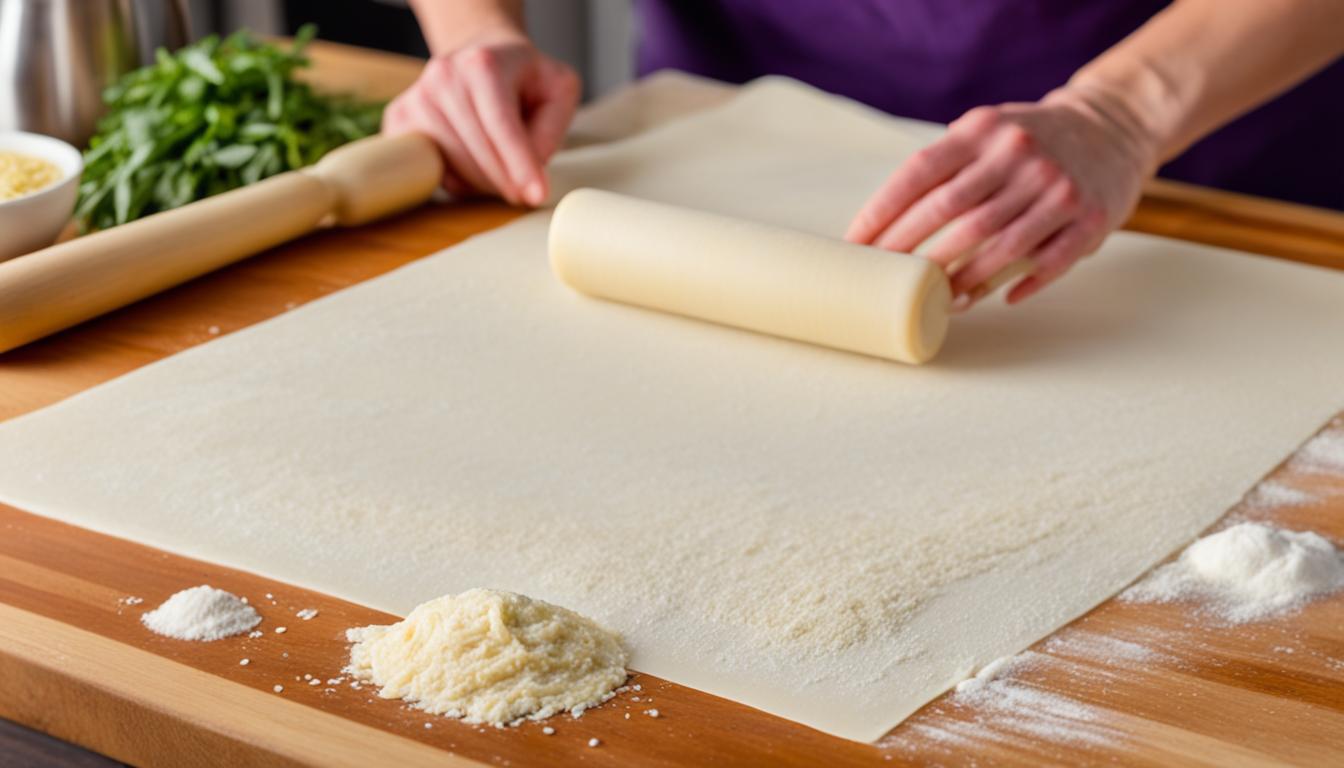
Learning how to roll and cut fresh pasta is key to making homemade pasta. You can use a pasta machine or a rolling pin. Knowing the different pasta rolling techniques and pasta cutting methods helps you get the right thickness and shape for your noodles.
Using a Pasta Machine vs. Rolling Pin
Choosing between a pasta machine and a rolling pin is a big decision in making pasta at home. A pasta machine gives you even thickness and control over your noodles’ shape. On the other hand, rolling with a manual pasta rolling technique can be more hands-on and fulfilling.
It doesn’t matter which tool you pick, the important thing is to handle the dough carefully and patiently. With a pasta machine, feed the dough through the rollers and adjust the thickness as needed. Using a rolling pin, dust your surface and pin with flour to prevent sticking, and roll the dough smoothly.

After getting the pasta sheet just right, it’s time to cut it. You can cut the noodles by hand or use a cutter or knife for uniform strips or shapes. Try different cutting methods to see what works best for you and your recipes.
Drying and Storing Homemade Pasta
Making homemade pasta lets you control every step, including drying and storage. It’s key to keep your noodles fresh by drying and storing them right. These tips will help you get good at homemade pasta drying and homemade pasta storage.
To dry your pasta, lay it out on a clean, dry surface like a baking sheet or pasta drying rack. Make sure the noodles don’t touch each other for good air flow. It might take a few hours to overnight for them to dry, depending on the weather. Check on them often and turn them over to dry evenly.
After drying, store your fresh pasta in a container that keeps air out. Use glass jars or strong plastic bags that seal well. If you’re keeping it for more than a few days, put it in the fridge to keep it fresh longer.
Learning how to dry and store homemade pasta lets you enjoy your pasta for longer. With a bit of care, your homemade pasta will always be ready for a tasty meal.
Flavorful Fillings for Stuffed Pasta
Take your pasta-making to the next level by learning to make tasty fillings for your homemade stuffed pasta. You can choose from many flavors, from savory and cheesy to sweet and rich. Discover a world of tastes that will make your homemade ravioli and other stuffed pasta dishes stand out.
Savory and Sweet Filling Ideas
Stuffed pasta fillings offer endless possibilities. For a savory treat, try a classic ricotta and spinach mix, or a roasted vegetable blend. Cheese enthusiasts will love a rich four-cheese filling. And for those who prefer sweet, a mix of sweet ricotta and fruits is perfect. Don’t be afraid to mix herbs, spices, and nuts to make your fillings unique.
Homemade ravioli and tortellini fillings let you show off your cooking skills. Mix different textures and tastes to create a filling that’s both exciting and satisfying. The right fillings turn your homemade pasta into a meal to remember.
Saucing Your Homemade Pasta Masterpieces
Making homemade pasta is a rewarding experience. But, the real magic comes when you match it with the perfect sauce. Discover the world of pasta sauce recipes to take your pasta dishes to new heights.
There are many classic homemade pasta sauces, like rich Alfredo and vibrant tomato-based ones. Each sauce has a unique flavor that goes well with your pasta’s texture and shape.
Picture tossing your springy linguine with a fresh pesto or coating delicate ravioli in smooth butternut squash sauce. With many flavorful sauces, the possibilities are endless.

Mastering pasta sauce is about finding the right balance. Whether you like hearty or light sauces, the goal is to let your pasta and sauce flavors blend together. This creates a perfect dining experience.
So, get ready to explore the wide world of pasta sauce recipes. Find the perfect match for your homemade pasta creations. With creativity and a bit of experimentation, you’ll soon be making dishes that taste like they’re from a restaurant.
Traditional vs. Contemporary Pasta Dishes
Pasta is a favorite in kitchens worldwide. Classics like spaghetti Bolognese and lasagna are dear to our hearts. But, pasta is changing, with chefs and cooks adding new twists to old recipes. These new takes are exciting and tasty.
Modern pasta lets us try new flavors and methods while keeping Italian traditions alive. Take spaghetti Bolognese, a dish loved for generations. Adding roasted veggies, spices, or cream can make it fresh and exciting.
Putting a Modern Spin on Classic Recipes
Another way to mix old and new is to take traditional pasta dishes and update them. Stuffed pasta has been around for ages. Try filling it with sweet ricotta and spinach or savory mushroom and truffle for a new taste.
There are countless ways to mix old and new in pasta. Whether you’re an experienced cook or just starting, combining traditional and modern recipes can make your pasta dishes stand out. It’s a great way to impress your loved ones.
Tips for Perfect Pasta Texture and Doneness
Cooking homemade pasta is like an art. With the right techniques, you can get the perfect texture and doneness every time. Whether it’s classic spaghetti or fancy ravioli, mastering pasta cooking is key for delicious Italian dishes.
Getting the water to the right temperature is crucial. Boil a big pot of water before adding your pasta. This boiling water cooks the noodles fast and stops them from sticking together. Don’t forget to add a bit of salt to the water to boost the pasta’s flavor.
It’s also vital to watch the cooking time. Homemade pasta cooks quicker than dried pasta. Keep an eye on it and start checking a few minutes before the recommended time. Look for the classic al dente bite, where the pasta feels slightly firm in the middle.
To get that perfect al dente texture, just taste a strand of pasta. It should feel slightly resistant but be fully cooked. If it’s too hard, keep cooking and testing until it’s just right.
By using these tips, you’ll always have perfectly cooked homemade pasta. Each dish will be a tasty tribute to Italian culinary art.
The Joy of Sharing Homemade Pasta
Making homemade pasta is rewarding and satisfying. The real joy is sharing it with loved ones. Hosting a pasta-making party brings people together, creating a sense of community and friendship.
Inviting friends and family to a pasta-making event is great for celebrating homemade pasta. As you guide them through kneading and shaping, they’ll feel a sense of accomplishment. Sharing the joy of pasta-making creates lasting memories and strengthens bonds.
Hosting a Pasta-Making Party
When hosting a pasta-making party, teach and inspire your guests. Set up a welcoming space with tools and ingredients. Share your pasta-making skills and encourage guests to get hands-on.
The kitchen will fill with laughter and conversation as guests craft their pasta. Plan a communal pasta-making experience where everyone helps make a shared meal. Once done, gather to enjoy the pasta and the memories made.
Sharing homemade pasta with family and friends shows the joy of pasta-making. Hosting events and gatherings shares your culinary skills and builds community. Embrace the power of homemade pasta sharing to bring people together.
Elevating Your Pasta Game with Specialty Flours
Are you ready to improve your pasta-making skills? Step beyond the usual all-purpose flour and check out specialty pasta flours. These special flours can open up new tastes and textures in your homemade pasta.
Semolina flour comes from durum wheat and is great for that chewy, traditional Italian pasta taste. It has a lot of gluten, making the dough strong and keeping its shape well. Try semolina to make everything from spaghetti to ravioli.
Whole wheat flour gives a nutty flavor and a bit of grainy texture. It’s perfect with rich sauces and fillings. If you’re gluten-free, try making pasta with chickpea, lentil, or rice flours for tasty alternatives.
Using specialty flours can make pasta-making fun and exciting. Discover the unique tastes and textures these flours offer. Let your creativity shine as you make your next homemade pasta dish.
Homemade Pasta Recipes to Try
Boost your cooking skills with our collection of homemade pasta recipes. They range from classic spaghetti and meatballs to creative ravioli fillings. These dishes will take your taste buds on a delightful journey.
Enjoy the rich flavors of a Bolognese sauce with al dente fettuccine. Or, try our light and refreshing lemon-herb linguine with grilled shrimp. For something different, experiment with unique ravioli fillings like spinach and ricotta or dark chocolate and hazelnut.
Our homemade pasta recipes are perfect for all cooking levels. Whether you’re an expert or just starting, you’ll find something to love. Discover the joy of making your own pasta and elevate your cooking.