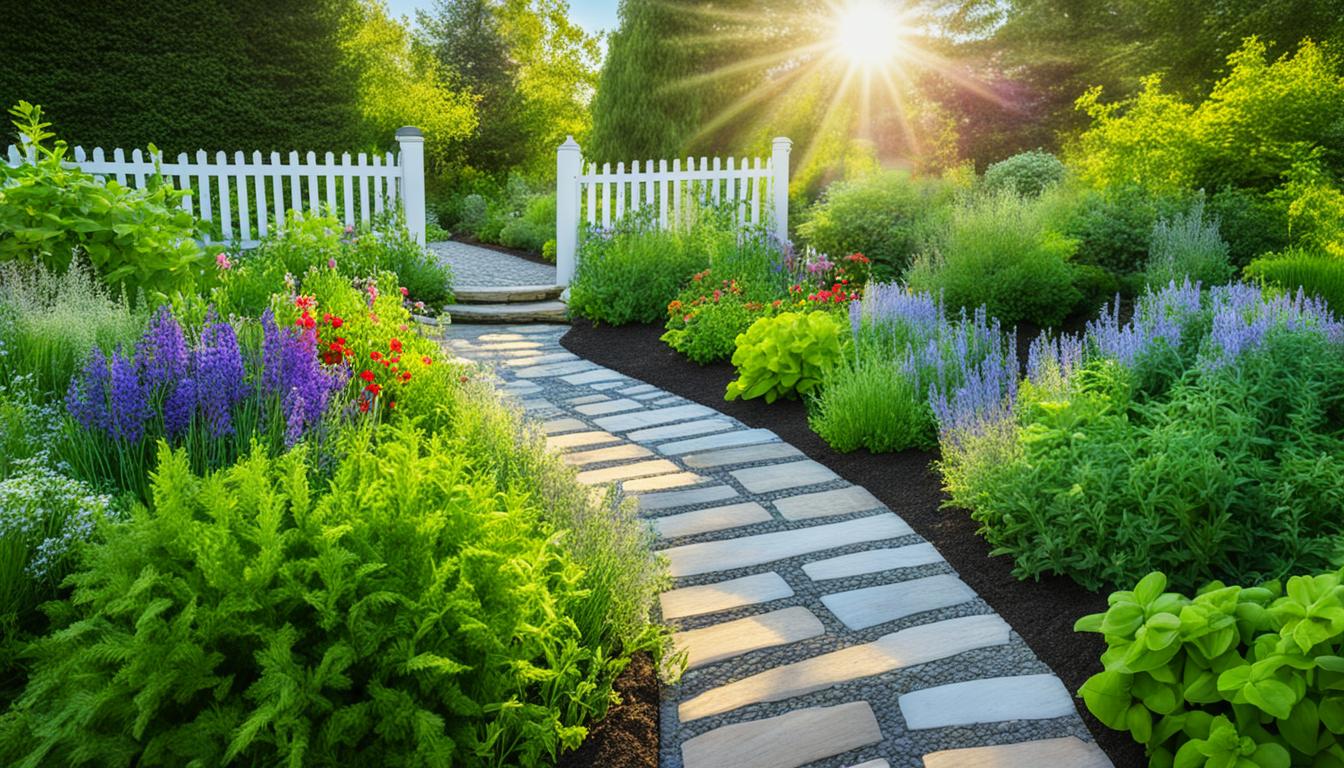
Start your journey into the world of herb gardening. Here, fresh, homegrown herbs can change your cooking. This guide is for both experienced and new gardeners. It covers everything from picking the best spot to harvesting your herbs.
We’ll give you herb gardening tips and Nature Tips. These will help you create a lush, productive garden. Your kitchen gardens and urban gardening will get a boost.
Learn the fun of growing herbs at home and starting an herb garden. This guide will show you how to pick the right herbs and prepare the soil. You’ll also learn sustainable gardening practices for a year-round fresh herbs harvest.
Herb Gardening for Beginners: A Rewarding Journey
Starting a beginner herb garden is a rewarding journey. It lets you grow your own herbs at home. This brings many benefits, like saving money and adding fresh flavors to your cooking.
It doesn’t matter if you’re new to gardening or have been doing it for years. Taking care of your herb plants is a joy. It’s a great way to feel connected to the food you make.
Discover the Joys of Growing Fresh Herbs at Home
Imagine picking fresh, fragrant herbs right outside your door. This is what it’s like to have a herb garden. Homegrown herbs taste better and make you feel proud of your work.
Looking after your plants and seeing them grow is calming. It’s a way to feel in control and connected to nature.
Why Herb Gardens Are a Game-Changer for Home Cooks
For cooks, a herb garden changes everything. It lets you use fresh herbs in your cooking. This saves money and makes your food taste better.
It’s not just about the kitchen. Growing herbs can be a hobby that relaxes you. It connects you with nature and makes you feel independent.
Whether you’re an experienced cook or new to herbs, a herb garden has many benefits. It offers aromatic delights, saves money, and brings personal satisfaction. Growing your own herbs is a journey that improves your cooking and your well-being.
Selecting the Perfect Spot for Your Herb Garden
Finding the right spot for your herb garden is key to its success. The best herb garden location needs enough sunlight and good soil for your herbs to grow well. Knowing how much sun your herbs need and where to put them is crucial.
Understanding Sunlight Requirements for Thriving Herbs
Herbs need different amounts of sunlight, so pick a spot that fits their needs. Herbs like basil, thyme, and rosemary love full sun and need at least six hours of direct sunlight daily. On the other hand, parsley and chives do well in partial shade with less sun.
When looking for the perfect herb garden location, watch how the sun moves in your yard. Choose a spot that gets the right amount of sunlight for your herbs. This way, they can get the sun they need to grow well.
Think about soil quality, how easy it is to get to, and how close it is to your kitchen when picking the ideal herb garden placement. A garden near your kitchen makes it easy to grab fresh herbs for cooking. Good soil and air flow help your herbs stay healthy and productive.
Choosing the Right Herbs for Your Needs
If you want to start your own herb garden, the first step is to look at the many herbs you can grow. Picking the right herbs is key to a successful and diverse garden. The best herbs for you depend on what you like to cook, how you grow them, and what you prefer.
Herbs have many flavors, growth habits, and uses. You can find everything from fragrant basil to zesty lemon thyme. Think about the flavors you like, the dishes you make often, and how much space you have. This will help you pick herbs that will make your cooking better.
Popular and versatile herbs include parsley, mint, chives, oregano, and thyme. These herbs are great for many dishes and grow well in different conditions. Adding these to your garden will make it perfect for your cooking needs.
Don’t just stick to the usual herbs. Try lemongrass, lavender, or stevia for something new. These can add unique flavors to your food, making your cooking stand out. With some research and planning, you can make a herb garden that shows off your taste and cooking style.

Finding the right mix of herbs is key to a great herb garden. Think about what you like to cook, how you grow them, and what you enjoy. By doing this, you can make a garden that looks good and is useful in the kitchen. Explore the many herbs out there and let your creativity guide you in making the perfect garden for you.
Preparing the Soil: The Foundation of a Flourishing Herb Garden
Starting a thriving herb garden begins with the soil. It’s key to make sure your herbs get the nutrients they need. By enriching your garden’s soil, you’re setting the stage for a great harvest.
Enriching Your Soil for Optimal Growth
Herbs need certain soil conditions to grow well. Adding organic stuff like compost or aged manure can help. This makes the soil better and gives herbs what they need to grow.
Some herbs like rosemary and lavender do well in slightly alkaline soil. Others, like basil and cilantro, like it more acidic. Testing your soil and adjusting it as needed will help your herbs grow better.
Preparing your soil well is key to a great herb garden. Healthy soil means a garden full of fresh, tasty herbs. Remember, good soil is essential for your herbs to thrive.
Planting Techniques for a Bountiful Herb Harvest
Getting the planting techniques right is key to a thriving herb garden. It’s all about knowing the best spacing and depth for each herb. With the right tips, your garden will look great and produce a lot of herbs.
Tips for Spacing and Depth for Healthy Plants
Spacing and depth are vital for herb planting. Each herb has its own needs, so it’s important to get it right. For example, rosemary and thyme need lots of room, while basil and chives can be closer together.
Also, think about how deep to plant your herbs. Most herbs do well about 1-2 inches deep. But, parsley and chives prefer a shallower depth. Following these tips will help your garden grow well and give you a lot of herbs.
Nature Tips: Embracing Sustainable Gardening Practices
We have a chance to make an eco-friendly oasis with our herb gardens. These gardens can feed our love for cooking and support sustainable gardening. By using simple yet effective practices, we can grow a healthy herb garden and reduce our impact on the environment.
Composting is key in sustainable herb gardening. Instead of throwing away kitchen scraps and yard waste, use them to make soil amendments. This cuts down on waste and makes the soil richer, helping your herbs grow strong and healthy.

Using natural ways to control pests is also vital. Avoid harsh chemicals by trying companion planting, introducing helpful insects, and making repellents from household items. This keeps your herbs safe and protects the ecosystem, making your garden a haven for nature.
Water conservation is important for sustainable herb gardens. Use rainwater, drip irrigation, and choose plants wisely to save water. These methods help your garden flourish without wasting water, and you’ll help protect our natural resources.
Sustainable gardening is a journey, not just a goal. By adding these eco-friendly steps to your gardening, you’ll get a great herb garden and help the planet. You’ll make a difference for future generations.
Watering Your Herb Garden: The Goldilocks Principle
Finding the right amount of water is key for your herb garden. It’s like the story of Goldilocks – you want it just right. Not too much, not too little, but just the right amount. Knowing what each herb needs and adjusting your watering based on the weather and growth stage is crucial for a great harvest.
The secret to watering your herbs is the Goldilocks principle. Too much water can cause root rot, while too little makes herbs wilt. The optimal herb watering is all about finding that balance. It requires watching your plants closely and making adjustments as needed.
Most herbs like soil that drains well and stays moist but not soaked. During the growing season, water them about 1-2 inches deep. Let the soil dry out a bit before watering again. Change your watering schedule based on the temperature, humidity, and what each herb needs.
Learning how to water your herbs right helps them grow well. This gives you a lot of fresh, tasty herbs all season.
Pruning and Harvesting: Ensuring Continuous Growth
Keeping a herb garden healthy is all about balance. Pruning and harvesting your aromatic herbs is a key part of this. Knowing the best times and ways to do it helps your herbs grow well and gives you lots of fresh herbs all season.
When and How to Harvest Your Aromatic Herbs
The best time to pick your herbs is in the morning, after the dew dries and before the sun makes the leaves wilt. This way, you get the best flavor and smell. Use clean, sharp scissors or pruners to cut the leaves or stems. Make sure not to hurt the plant.
Harvest the outside, older leaves and stems first. This lets the inside, younger parts keep growing well.
Herb pruning is also key for a healthy garden. It makes plants grow fuller, stops them from flowering (which can make leaves taste bitter), and gets rid of any sick or damaged leaves. Prune just before the plant starts to flower. Cut the stems a bit to encourage new growth.
Learning how to prune and harvest herbs means you’ll always have tasty, fragrant herbs. This will make your cooking better and keep your herb garden healthy all season.
Herb Garden Maintenance: Keeping Your Plants Thriving
Keeping a healthy herb garden takes some work, but it’s worth it. You need to control weeds, manage pests, and fight diseases. By knowing how to solve common problems, your herb garden will stay healthy and give you lots of fresh herbs.
Troubleshooting Common Issues in Herb Gardens
Spotting and fixing problems early is key to a healthy herb garden. Pests like aphids or spider mites can harm your plants. Diseases, such as powdery mildew or root rot, can also hurt your herbs. Nutrient shortages can make leaves turn yellow or plants grow slowly.
It’s also crucial to control weeds. They take water, nutrients, and sunlight from your herbs. Regular weeding keeps your herb beds clean and lets your plants grow well.
Mulching is another important step. Using organic mulch, like wood chips or shredded leaves, helps keep soil moist, stops weeds, and improves soil health. This simple action greatly benefits your herb garden’s health and productivity.
By keeping up with these tasks and fixing problems quickly, your herb garden will stay lush and full. With the right care, your herbs will always be ready for your cooking.
Preserving Your Herb Harvest for Year-Round Enjoyment
Don’t let your herb harvest go to waste. Learn the best ways to keep your herbs fresh, from drying and freezing to making oils and vinegars. This way, you can enjoy the flavors of your garden all year.
Drying herbs is a simple way to keep their aroma and taste. Hang fresh herbs or spread them on a baking sheet in a well-ventilated area. Once dry, store them in airtight containers to keep their flavor.
Freezing herbs is another great choice. It keeps their color bright and taste fresh. Chop or puree your herbs, then freeze them in ice cube trays or small bags for easy use.
Try making herb-infused oils and vinegars for a unique twist. Put your favorite herbs in high-quality olive oil or apple cider vinegar. Let the flavors blend over time. These items make great gifts and add a gourmet touch to your cooking all year.